
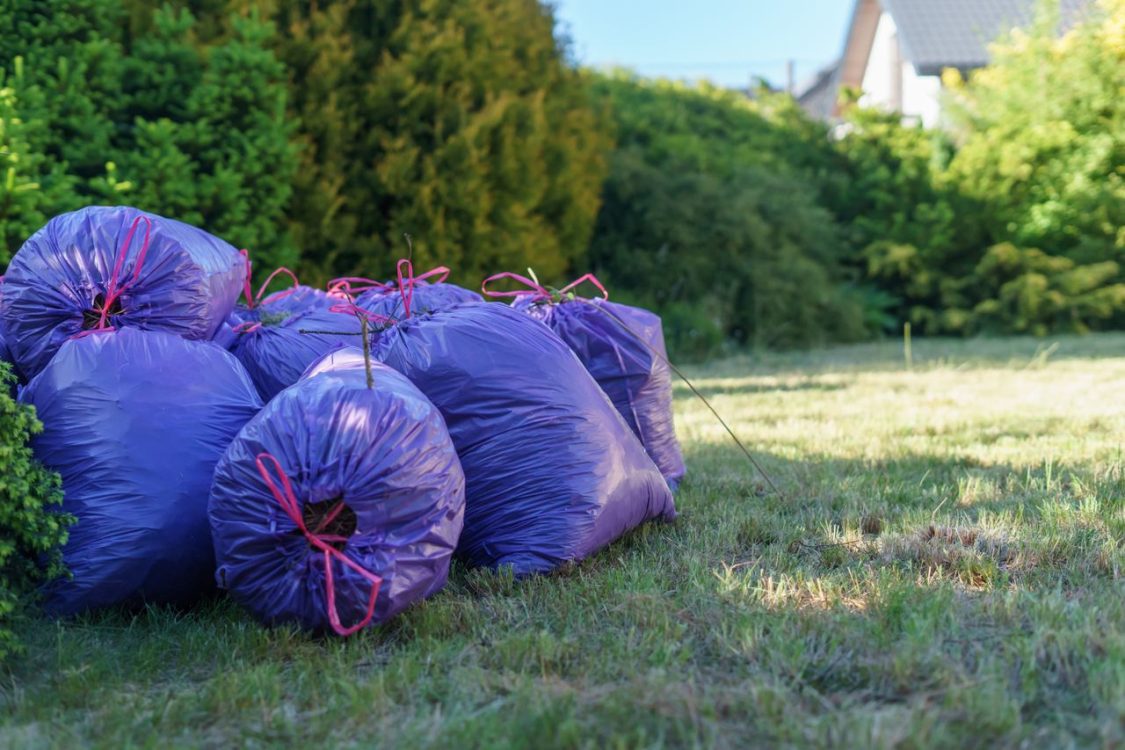
Landscaping can transform an outdoor area, but even a relatively small garden project can leave behind a surprising amount of waste. Cut branches, grass clippings, leaves, roots, soil, old plants, and trimmed hedges can quickly accumulate, making a newly improved space look unfinished. Dealing with this material promptly helps homeowners enjoy the results of their work without having piles of debris taking over the garden.
For homeowners planning garden refuse removal Pretoria, understanding what happens to landscaping waste after a project can make the cleanup process much easier. Different types of organic waste may need to be handled differently, particularly when there are large quantities involved or when the material has been mixed with general household or building waste.
Good garden maintenance is not only about planting, pruning, and watering. Clearing unwanted organic material is also part of keeping an outdoor space functional, tidy, and safe. Whether the work involves a major garden makeover or a seasonal cleanup, having a practical plan for the resulting refuse can save time and prevent unnecessary clutter.
Why Landscaping Projects Create So Much Garden Waste
Almost every landscaping project produces some form of refuse. Removing an overgrown hedge, pruning mature trees, clearing an unused section of lawn, replacing plants, or preparing soil for new landscaping can generate considerably more material than expected.
Some projects create waste gradually, while others produce a large volume within a single day. A garden that looks relatively manageable before work begins can contain substantial quantities of branches, roots and vegetation once everything has been cut back.
Common examples include:
- Tree branches, twigs and woody offcuts
- Grass clippings and lawn trimmings
- Leaves and dead vegetation
- Weeds and unwanted plants
- Hedge and shrub cuttings
- Small roots and garden debris
- Old plants removed during landscaping
- Loose organic material gathered during garden clearing
The volume can also depend on the season. Rapid plant growth may result in more substantial pruning, while periods of heavy leaf fall can create additional material that needs to be gathered and removed.
Why Prompt Garden Refuse Removal Matters
Leaving landscaping waste in a garden for an extended period can make the area difficult to use and may interfere with further outdoor work. Large branches can obstruct walkways, while piles of vegetation can occupy areas intended for planting, entertaining or general recreation.
Organic material also changes over time. Leaves, grass and other plant matter can become damp and compacted, making piles heavier and harder to handle. Wet vegetation may also become unpleasant to move, particularly when it has been left outside for several days.
A clean garden is easier to maintain. Once unwanted material has been cleared, homeowners can properly assess the condition of lawns, flower beds, pathways and other features. This can make it easier to identify areas requiring additional work.
There is also a practical safety consideration. Garden debris left around frequently used areas can create obstacles and trip hazards. Sharp branches, uneven piles and hidden objects may be particularly problematic where children, visitors or pets regularly use the garden.
What Should Be Done With Different Types of Garden Refuse?
Not all landscaping waste is identical. Small quantities of leaves and grass may be relatively straightforward to manage, while bulky branches and extensive hedge trimmings can require considerably more effort.
Green waste can sometimes be composted or processed for reuse, depending on the material and the facilities available. Home composting may be suitable for certain organic materials, although large quantities of woody branches or bulky vegetation can exceed the capacity of a typical household composting system.
Branches may need to be cut into manageable sections before they can be transported. Similarly, large quantities of grass, leaves or hedge cuttings can quickly fill ordinary household bins.
It is important to avoid assuming that every type of garden material can simply be placed into municipal refuse containers. Local waste collection arrangements, permitted materials and disposal requirements can differ, so homeowners should check the applicable rules before putting substantial landscaping waste out for collection.
Planning Cleanup Before Landscaping Begins
Waste management is easiest when it is considered before the landscaping work starts. Waiting until the final plant has been removed can leave homeowners with a large pile of material and no convenient way to deal with it.
Before beginning a project, estimate the likely amount and type of waste. A small pruning job may produce only a few bags, while removing several mature shrubs or trees can generate a much larger load.
Consider these factors:
- Estimate how much vegetation will be removed during the project.
- Separate bulky branches from smaller organic material where practical.
- Identify any materials that should not be mixed with ordinary garden refuse.
- Determine whether the quantity can realistically be managed through normal household collection.
- Arrange appropriate removal before the waste starts obstructing the property.
Planning also makes it easier to keep the working area organised. Instead of allowing debris to spread throughout the garden, material can be placed in a suitable temporary area until it is collected or transported.
How Professional Removal Can Simplify Large Garden Clearances
For substantial landscaping projects, professional removal can reduce the amount of manual handling required from the homeowner. This can be particularly useful when there are large branches, dense vegetation or numerous piles of garden refuse to clear.
A removal service may collect the material from the property and transport it for appropriate processing or disposal. The exact process depends on the provider, the type of waste and the applicable local requirements.
This approach can also save considerable time. Clearing a large garden manually may involve cutting, bagging, lifting, loading and making multiple trips to an appropriate disposal facility. What initially appears to be a simple cleanup can become a lengthy project.
Professional assistance can be especially useful after major pruning, landscaping renovations, garden clearing or storm-related vegetation damage. The important consideration is choosing a provider that clearly explains what materials it accepts and how the waste is handled.
Keeping Garden Waste Separate From Other Refuse
One of the simplest ways to make a cleanup more efficient is to avoid mixing different categories of waste unnecessarily. Garden refuse can sometimes become contaminated with building materials, household rubbish, plastics or other items during a renovation.
For example, a landscaping project might involve removing old paving, broken pots, timber, packaging and vegetation at the same time. These materials may have different handling or disposal requirements.
Keeping them separate where possible can make collection more straightforward and reduce the risk of unsuitable material being included in a garden waste load.
It is also worth checking for potentially hazardous objects before a pile is collected. Hidden metal items, glass, treated materials or other non-organic debris should not automatically be assumed to belong with vegetation.
Making Garden Cleanup Part of Ongoing Maintenance
Garden refuse removal does not have to be reserved for major landscaping projects. Regular cleanup can prevent small quantities of waste from becoming an overwhelming task.
Routine pruning, seasonal leaf clearing and the removal of dead plants can all be incorporated into a garden maintenance schedule. Smaller jobs are generally easier to manage than allowing several months of debris to accumulate.
After completing a landscaping project, homeowners can also establish a simple maintenance routine. Regularly clearing fallen branches, leaves and excessive plant growth keeps pathways accessible and helps the garden retain its finished appearance.
This is particularly useful for larger properties where vegetation can grow quickly. A consistent approach reduces the likelihood of needing a major clearance simply because smaller maintenance tasks were repeatedly postponed.
Choosing a Suitable Removal Service
When arranging garden refuse collection, price is only one factor worth considering. The provider should be able to explain what types of material are accepted, how collection works and whether additional charges may apply for unusually heavy or bulky loads.
A clear description of the waste can help avoid misunderstandings. Rather than simply saying that there is “garden rubbish,” explain whether the load consists mainly of branches, leaves, grass, hedge trimmings, roots or a combination of materials.
Homeowners should also consider access to the property. Narrow driveways, gates, steps and limited loading areas may affect how efficiently material can be collected. Providing accurate information in advance allows the removal company to determine whether the proposed collection arrangements are suitable.
For larger jobs, it can also be useful to ask whether the quoted service includes loading and removal or whether the customer is expected to place everything in a designated collection area.
Avoiding Common Garden Waste Cleanup Problems
Several simple mistakes can make landscaping cleanup more difficult than necessary. One common issue is underestimating the volume of waste. A few shrubs may not appear substantial individually, but a full garden clearance can quickly produce a significant amount of material.
Another problem is allowing waste to remain exposed for too long. Weather conditions can move lightweight leaves and branches around the property, while rain can make organic material heavier and more difficult to handle.
Poor separation is another frequent issue. Mixing garden refuse with rubble, household rubbish or other materials can complicate collection and may result in some items being rejected.
A planned approach is therefore preferable. Determine what will be removed, where it will be temporarily stored, and how it will ultimately be collected or disposed of before the main landscaping work begins.
Keeping a Newly Landscaped Garden Looking Its Best
Once the refuse has been removed, the final stage of a landscaping project becomes much more visible. Clear pathways, tidy planting areas and an unobstructed lawn can make the improvements appear more complete.
Regular maintenance then becomes the key to preserving that appearance. Pruning plants at appropriate times, clearing fallen vegetation and addressing overgrowth before it becomes excessive can help keep future cleanup manageable.
Garden refuse is an unavoidable part of many outdoor projects. It does not have to become a lasting problem, though. With appropriate planning, sensible separation of materials and timely collection, even a substantial landscaping cleanup can be handled efficiently.
For larger properties or projects that generate more vegetation than normal household waste services can accommodate, arranging garden refuse removal in Pretoria can provide a practical way to clear the site and return the garden to a usable condition.
A well-maintained outdoor space should be enjoyable after the work is finished, not dominated by the waste left behind. Effective cleanup is therefore an important final step in turning landscaping work into a finished garden.