
When a vehicle’s windscreen is damaged, many drivers assume a quick repair will always solve the problem. While repairs are often effective for minor chips and small cracks, they are not suitable in every situation. Understanding the difference between damage that can safely be repaired and damage that requires a full replacement is essential for protecting both your safety and your vehicle’s structural integrity. In many cases, delaying the correct solution can lead to more extensive damage and higher costs over time.
Vehicle glass is designed to do much more than shield occupants from wind, rain, and debris. A modern windscreen contributes significantly to the strength of the vehicle, supports airbag deployment, and helps maintain visibility in all driving conditions. For this reason, any decision about repairing or replacing damaged glass should be based on safety standards rather than convenience alone.
If you are considering windscreen replacement Pretoria, understanding when replacement is the safer option can help you make an informed decision. Knowing the warning signs, the limitations of repairs, and the factors that influence professional recommendations will ensure your vehicle remains roadworthy and safe.
Understanding the Difference Between Repair and Replacement
A windscreen repair involves filling a small chip or crack with a specialised resin that restores strength and reduces the visibility of the damage. Repairs are generally suitable when the damage is minor, has not spread, and does not affect the driver’s line of sight.
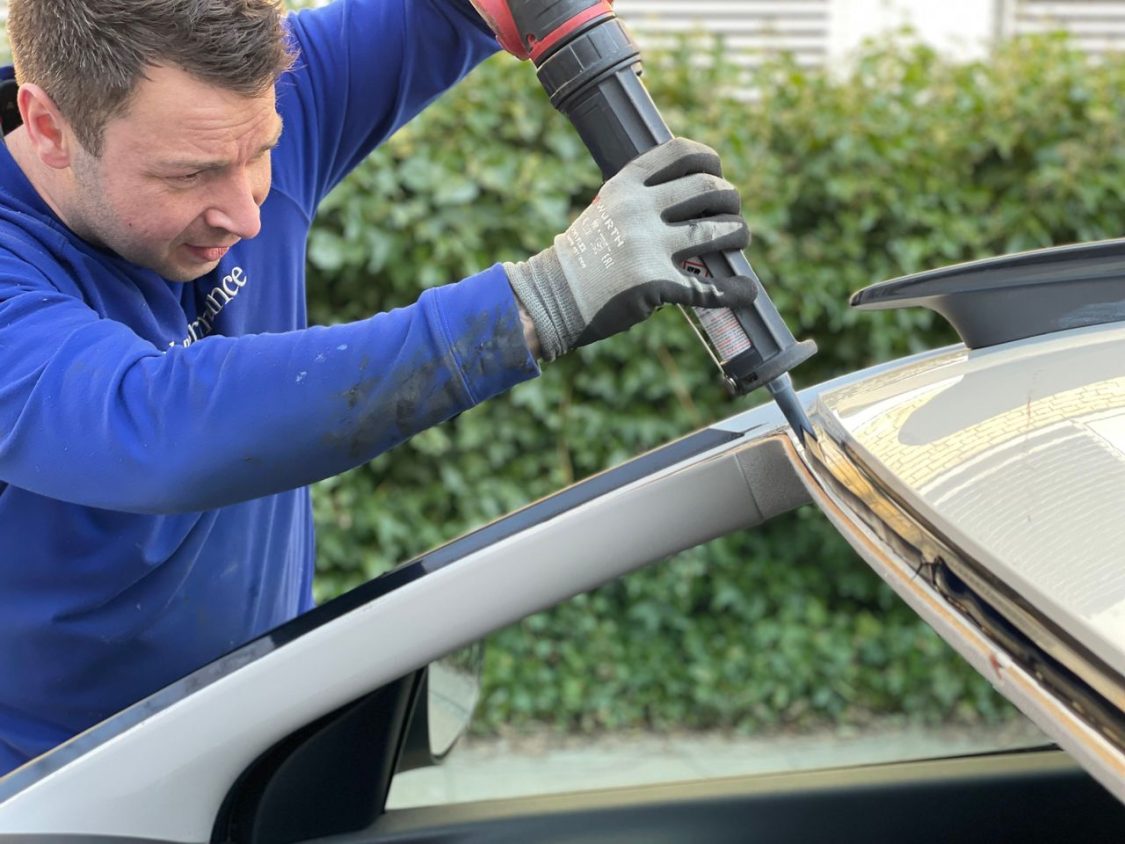
A replacement, on the other hand, involves removing the damaged windscreen and installing a new one using approved adhesives and fitting procedures. This option is necessary when the damage compromises the structural integrity of the glass or cannot be safely repaired.
Professional technicians assess several factors before recommending either solution. These include:
- The size of the damage
- The location of the chip or crack
- The depth of the impact
- Whether multiple areas have been damaged
- The condition of the surrounding glass
The Size of the Damage Matters
One of the first considerations is the overall size of the chip or crack. Small stone chips can often be repaired successfully if treated early.
Larger cracks, however, are much more difficult to stabilise. As the crack grows, the strength of the entire windscreen decreases, making a permanent repair unreliable.
Temperature fluctuations, road vibrations, and normal vehicle movement can cause existing cracks to spread further. Even if a repair appears successful initially, extensive damage may continue to worsen over time.
Replacing the entire windscreen becomes the safest long-term solution when the damage exceeds acceptable repair limits.
Damage in the Driver’s Line of Sight
The position of the damage is just as important as its size.
Even a relatively small chip located directly in the driver’s primary viewing area can distort vision after a repair. Although modern repair techniques produce excellent cosmetic results, a repaired section may still create slight optical imperfections.
Reduced visibility can become more noticeable:
- During bright sunlight
- While driving at night
- In heavy rain
- When headlights reflect through the repaired area
For this reason, technicians often recommend replacement whenever damage affects the driver’s direct field of vision.
Cracks Along the Edge of the Windscreen
Damage near the outer edge of the glass presents a greater risk than damage located near the centre.
The edges provide much of the windscreen’s structural support. Cracks beginning in these areas are more likely to spread rapidly across the glass, particularly when the vehicle travels over uneven roads or experiences sudden temperature changes.
Edge cracks also reduce the overall stability of the windscreen during a collision, making replacement the safer option in many cases.
Multiple Chips Can Weaken the Glass
A single repairable chip may not seem concerning, but multiple impact points tell a different story.
Several chips spread across the surface indicate that the windscreen has experienced repeated stress. Even if each chip is individually small, the combined damage can weaken the glass considerably.
Professional assessments focus on the overall condition rather than evaluating each impact in isolation. When there are numerous damaged areas, replacing the windscreen often restores the vehicle’s safety more effectively than carrying out several separate repairs.
Deep Damage Cannot Always Be Repaired
Not every stone impact affects only the outer layer of laminated glass.
Some impacts penetrate deeply into the internal layers, creating hidden weaknesses that are difficult to restore completely with resin. If the inner laminate has been compromised, the windscreen may no longer provide its intended strength during an accident.
Advanced inspection allows technicians to determine whether the damage extends beyond the repairable surface layer.
Why Delaying Repairs Can Lead to Replacement
Many chips begin as minor cosmetic defects but become serious cracks after only a short period.
Common causes of crack expansion include:
- Sudden temperature changes
- Driving over potholes
- Vehicle body flex during normal driving
- Closing doors forcefully
- Additional impacts from road debris
Seeking professional assessment as soon as damage occurs greatly increases the chance that a simple repair may still be possible.
Safety Systems Depend on an Intact Windscreen
Modern vehicles rely heavily on properly installed automotive glass.
The windscreen helps support passenger-side airbag deployment by providing a stable surface against which the airbag inflates. If the glass is significantly weakened or poorly repaired, this safety system may not function exactly as intended during a collision.
Many newer vehicles also incorporate driver assistance technologies such as cameras and sensors mounted near the windscreen. Replacing the glass correctly ensures these systems can be calibrated where required, allowing them to operate accurately.
Choosing Professional Assessment Over Guesswork
Every damaged windscreen is different.
Although online guides provide general advice, only a qualified inspection can determine whether repair remains safe or whether replacement is necessary. Experienced technicians consider manufacturer guidelines, industry safety standards, and the unique characteristics of the damage before making a recommendation.
Choosing a reputable service provider helps ensure that quality materials, approved installation methods, and proper curing procedures are followed. This contributes to both occupant safety and long-term durability.
Signs That Replacement Is Usually the Better Choice
While every situation should be professionally assessed, replacement is commonly recommended when:
- The crack is large or continues to spread.
- Damage is located within the driver’s line of sight.
- Multiple chips are present across the glass.
- Cracks extend to the outer edge of the windscreen.
- The inner layers of the laminated glass have been compromised.
- The damage affects the structural integrity of the vehicle.
Making the right decision after windscreen damage is about far more than appearance. A properly functioning windscreen plays an important role in visibility, occupant protection, and the overall safety of the vehicle. When repair is no longer a reliable option, investing in windscreen replacement in Pretoria provides confidence that your vehicle meets appropriate safety standards and remains prepared for everyday driving conditions.