
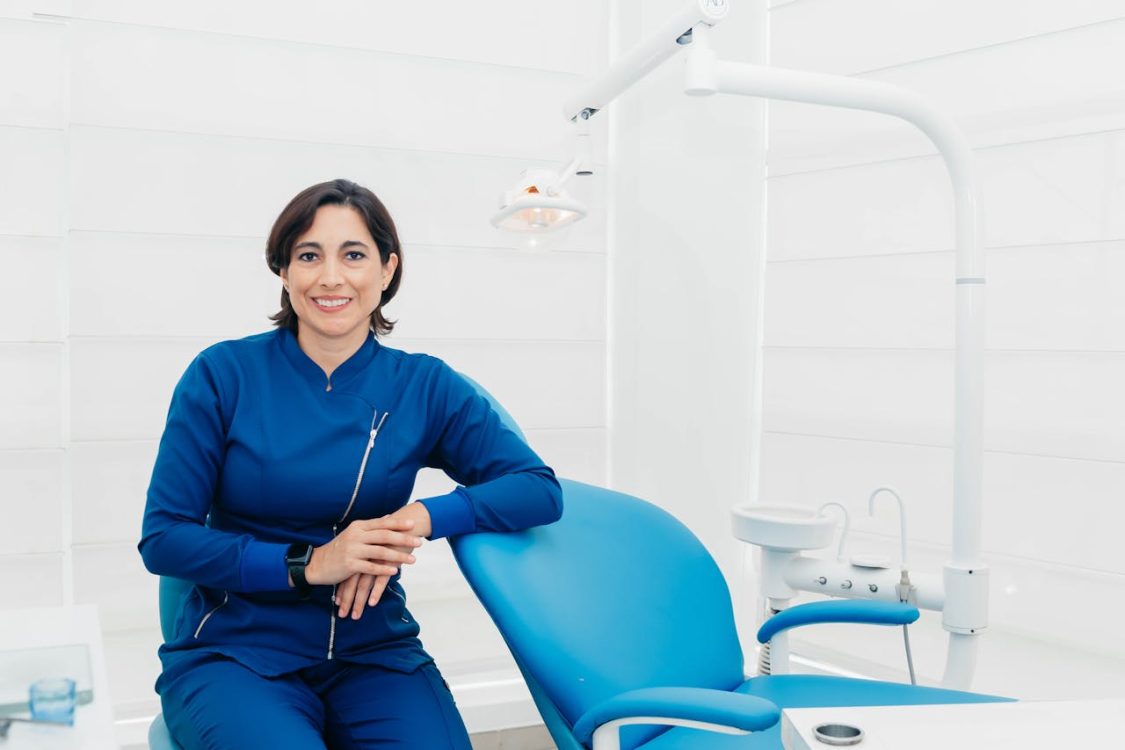
In South Africa’s dental sector, laboratories that combine digital innovation with traditional craftsmanship are increasingly important. One such specialist facility, Harmony Dental Laboratory, represents the type of integrated approach that helps dentists deliver consistent, high-quality results for their patients. The balance between technology and human skill is what ultimately defines the standard of care.
As demand grows for faster turnaround times and more lifelike restorations, the role of dental laboratories has evolved significantly. Patients now expect not only functional solutions but also restorations that blend seamlessly with their natural teeth. This expectation places greater responsibility on dental technicians to maintain both precision and artistry in every case.
Skilled Dental Technicians in Crown & Bridge Work
The success of crown and bridge restorations depends heavily on the expertise of dental technicians who understand both biological principles and material behaviour. These professionals work behind the scenes, interpreting prescriptions from dentists and translating them into functional restorations that must withstand daily use.
Every case requires careful attention to occlusion, colour matching, and structural integrity. Even minor inaccuracies can affect patient comfort or long-term success. Skilled technicians therefore operate with a deep understanding of bite dynamics, tooth morphology, and aesthetic symmetry.
Modern crown and bridge work also requires familiarity with advanced materials such as zirconia, lithium disilicate, and high-strength ceramics. These materials behave differently under stress, and only experienced technicians can optimise them effectively.
Key responsibilities of skilled dental technicians include:
- Designing restorations that replicate natural tooth anatomy and function
- Ensuring precise fit to prevent complications such as discomfort or misalignment
- Selecting materials based on strength requirements and aesthetic expectations
- Collaborating closely with dentists to refine each restoration before final production
The precision required in this field makes technical skill indispensable. Even with advanced machinery, human expertise remains central to achieving predictable outcomes in restorative dentistry.
Digital and Conventional Dental Laboratory Techniques
The modern dental laboratory environment blends digital workflows with traditional craftsmanship to achieve superior results. CAD/CAM systems, 3D scanning, and milling technologies have transformed how restorations are designed and manufactured, reducing turnaround times while improving accuracy.
At the same time, conventional techniques such as hand-layering ceramics and manual adjustments remain essential for achieving natural aesthetics. Digital tools may create the foundation, but the final character of a restoration often depends on the technician’s hand-finishing skills.
In practice, this hybrid approach ensures that both efficiency and artistry are maintained throughout the production process. A well-balanced workflow allows laboratories to handle complex cases while maintaining consistency across all restorations.
Within this context, Harmony Dental Laboratory operates as a precision Crown & Bridge dental laboratory in Cape Town, combining advanced digital systems with experienced craftsmanship. The integration of these methods ensures that each restoration meets both functional and aesthetic standards expected in modern dentistry.
Digital workflows also improve communication between dentists and laboratories. Scans and digital impressions reduce the risk of distortion, while virtual design previews allow for early adjustments before production begins. This reduces remakes and improves overall treatment efficiency.
However, despite these advancements, the human element remains irreplaceable. Software can assist with design, but it cannot fully replicate the judgment of an experienced technician who understands subtle variations in tooth shape, shade, and translucency.
Emergency Denture Repair Services in Cape Town
Dental emergencies require fast and reliable solutions, especially when dentures become damaged or broken. Patients often rely on their dentures for essential daily functions such as eating and speaking, making timely repair services critical for quality of life.
Modern dental laboratories now offer rapid-response repair services to address these urgent needs. In many cases, same-day solutions are possible, allowing patients to regain functionality without extended waiting periods.
Harmony Dental Laboratory also provides 24/7 emergency denture repair services, ensuring that urgent cases are handled promptly and professionally. Most repairs, including cracked dentures, broken teeth, or damaged plates, are completed within 60–90 minutes depending on complexity.
Typical emergency denture issues include:
- Cracks or fractures caused by accidental dropping
- Detached or broken denture teeth affecting chewing ability
- Warping or distortion of denture bases over time
- Structural weakness due to long-term wear and tear
Fast turnaround times are only part of the solution. The quality of the repair is equally important, as poorly executed fixes can compromise fit and comfort. Skilled technicians ensure that repairs are structurally sound and properly aligned before returning the prosthesis to the patient.
Emergency services also reduce patient anxiety. Knowing that a reliable repair solution is available provides reassurance, particularly for elderly patients or those dependent on full dentures for daily function.
Materials, Precision, and In-House Control
The quality of any dental restoration depends significantly on the materials used and the level of control maintained during fabrication. In-house production allows laboratories to oversee every stage of the process, ensuring consistency and reducing the risk of errors.
High-grade dental materials are selected based on durability, aesthetics, and compatibility with oral conditions. These materials must withstand chewing forces, temperature changes, and long-term exposure to saliva without degrading.
Precision equipment also plays a crucial role in maintaining consistency. Milling machines, sintering furnaces, and polishing systems all contribute to the final outcome. When combined with skilled oversight, these tools produce restorations that are both functional and visually natural.
A strong in-house workflow typically includes:
- Controlled material selection to match clinical requirements
- Multi-stage quality checks before final delivery
- Continuous calibration of digital and mechanical equipment
- Direct technician oversight throughout production stages
This structured approach reduces variability and improves predictability, especially for complex crown and bridge cases. It also ensures that emergency repairs meet the same quality standards as full laboratory restorations.
Why Experience Matters for Long-Term Dental Outcomes
Experience in dental technology is not simply about technical ability; it is about judgment developed over years of practice. Skilled technicians learn how different materials respond over time, how minor adjustments affect bite dynamics, and how to anticipate potential complications before they occur.
Long-term success in restorative dentistry depends on this combination of knowledge and intuition. Even with advanced software and machinery, decision-making still relies on human expertise at critical stages of production.
Experienced technicians also contribute to better patient outcomes by improving communication with dentists. Clear interpretation of prescriptions and proactive problem-solving reduce delays and ensure smoother treatment workflows.
In addition, experienced professionals are better equipped to manage aesthetic challenges. Matching shades, replicating translucency, and achieving natural contours require an artistic eye that develops over time.
Ultimately, dental laboratories that invest in skilled personnel provide more reliable and consistent results. This directly benefits both dentists and patients, leading to improved satisfaction and long-term oral health stability.
Final thoughts
Dental technology continues to evolve, but the foundation of successful restorative dentistry remains unchanged: precision, skill, and attention to detail. Laboratories that integrate digital innovation with human expertise are best positioned to meet modern clinical demands.
From crown and bridge restorations to urgent denture repairs, the value of a well-equipped and experienced laboratory is clear. When accuracy and craftsmanship work together, patients receive restorations that are not only functional but also naturally integrated into their smiles.
As expectations in dentistry continue to rise, the importance of maintaining high technical standards will only increase, reinforcing the essential role of skilled dental laboratories in patient care.