
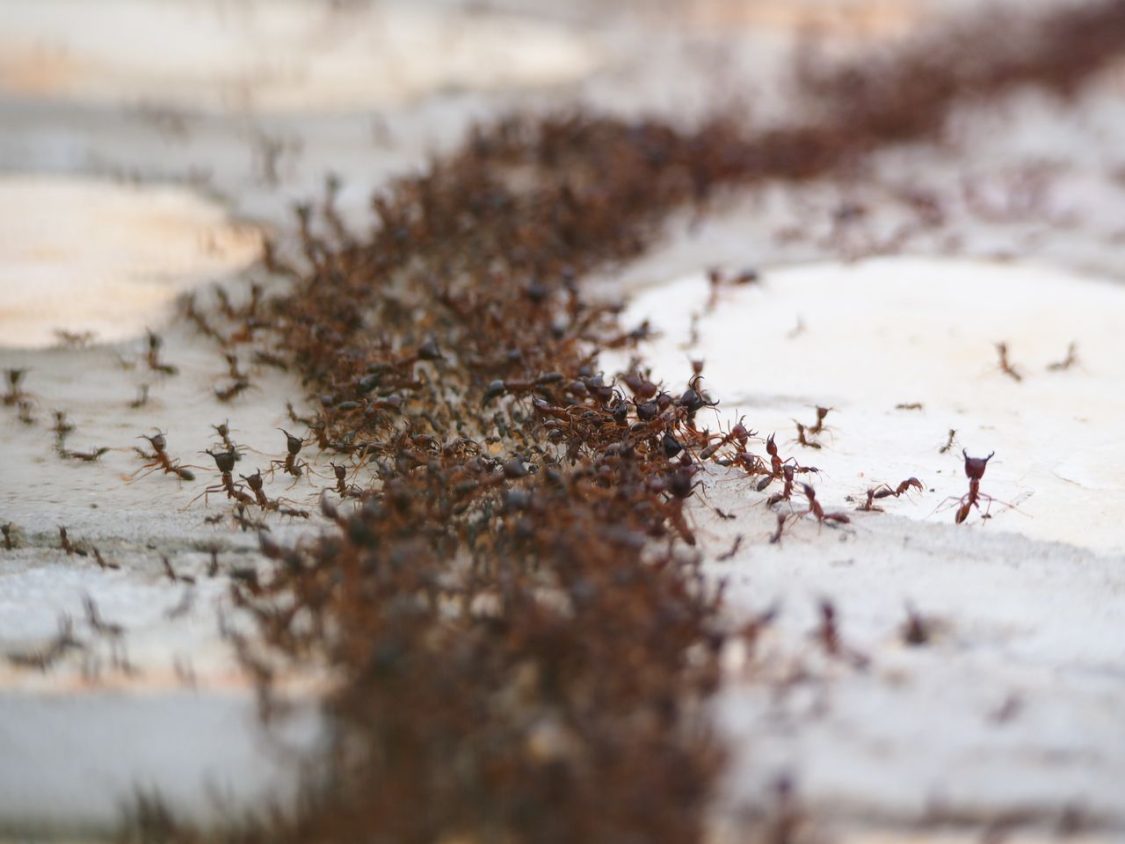
Ants may be tiny, but they can quickly become a major nuisance in workplaces, retail spaces, warehouses, restaurants, and industrial facilities. Once they establish a colony nearby, they often return repeatedly in search of food, water, and shelter. Preventing an infestation is usually far easier and more cost-effective than dealing with a widespread problem later.
Businesses that take a proactive approach to pest prevention are better positioned to protect their premises, maintain hygiene standards, and create a positive impression for customers and employees. Small maintenance tasks and good housekeeping habits can significantly reduce the risk of attracting unwanted pests.
Many property owners only think about getting commercial ant control in Cape Town after seeing visible trails of ants indoors. However, understanding what attracts these insects and addressing those conditions early can help reduce the likelihood of recurring infestations throughout the year.
Why Ants Choose Commercial Properties
Commercial buildings often provide everything ants need to survive. Food preparation areas, staff kitchens, storage facilities, rubbish collection points, and even office break rooms can become attractive feeding grounds.
Water is another important factor. Leaking pipes, dripping taps, blocked gutters, or areas with excessive moisture create ideal conditions for many ant species.
Warm indoor temperatures also encourage activity, especially during seasonal changes when outdoor food sources become less reliable. Once worker ants discover a dependable source of food, they leave scent trails that guide the rest of the colony directly to the location.
The Most Common Conditions That Attract Ants
Understanding what attracts ants makes prevention much easier. Even clean buildings may unknowingly offer conditions that support growing colonies.
Some common attractants include:
- Food crumbs left behind after meals
- Sugary drink spills
- Unsealed food containers
- Overflowing rubbish bins
- Standing water
- Cracks around doors and windows
- Vegetation touching exterior walls
Removing these conditions helps make the property far less appealing.
Good Housekeeping Makes a Big Difference
Cleaning routines play an essential role in preventing pests.
Food should never remain exposed overnight, particularly in communal kitchens or dining areas. Staff should wipe surfaces after eating, dispose of rubbish promptly, and avoid allowing waste to accumulate indoors.
Floors deserve equal attention. Small crumbs beneath furniture, appliances, or shelving can provide enough food to sustain foraging ants.
Regular deep cleaning also removes invisible scent trails left by worker ants, making it harder for other ants to follow established routes into the building.
Seal Entry Points Before Ants Find Them
Ants require surprisingly little space to enter a building.
Tiny gaps around windows, electrical conduits, utility pipes, door frames, expansion joints, and damaged brickwork can all become access points.
A systematic inspection of the property’s exterior should include checking:
- Door seals for gaps or wear.
- Window frames for cracks.
- Utility penetrations around pipes and cables.
- Expansion joints in concrete surfaces.
- Roofline openings and damaged vents.
- Foundation cracks near landscaping.
Sealing these areas with appropriate materials helps reduce opportunities for ants to move indoors.
Proper Waste Management Reduces Risk
Waste disposal is one of the biggest factors influencing pest activity around commercial premises.
Outdoor bins should have tight-fitting lids and be emptied regularly. Cleaning waste containers helps remove food residues that attract insects.
Indoor rubbish should not remain overnight if it contains food waste.
Businesses that generate large amounts of organic waste, such as restaurants, supermarkets, bakeries, and food manufacturers, should pay particular attention to refuse storage and collection schedules.
Store Food Correctly
Food storage is often overlooked outside the food service industry.
Many offices keep snacks, coffee supplies, sugar, biscuits, or pet food in cupboards that are rarely cleaned.
Simple storage improvements include:
- Keeping dry goods in sealed containers.
- Cleaning shelving regularly.
- Rotating older stock before newer deliveries.
- Immediately wiping up spills.
- Inspecting deliveries for signs of pests.
- Avoiding excessive stockpiling of food items.
These small habits help minimise accessible food sources.
Landscaping Can Influence Ant Activity
The outside of a property is just as important as the inside.
Trees, shrubs, and dense vegetation growing against exterior walls create sheltered pathways for ants. Mulch placed directly against buildings may also provide nesting opportunities.
Maintaining a small clearance between plants and the building allows easier inspection while reducing direct access.
Regular maintenance of gardens, drainage systems, and paved areas helps discourage colonies from establishing themselves close to entrances.
Moisture Control Is Often Overlooked
Many ant species require reliable access to moisture.
Leaks beneath sinks, damaged irrigation systems, blocked drains, air conditioning condensation, and standing water around foundations all increase the likelihood of pest activity.
Routine maintenance should include checking plumbing, repairing leaks promptly, and ensuring water drains away from the building rather than collecting nearby.
Keeping indoor humidity under control can also make certain environments less attractive to insects.
Employee Awareness Supports Prevention
Even the best pest prevention programme can be undermined if staff members are unaware of good practices.
Simple training can encourage employees to:
- Report pest sightings immediately.
- Clean eating areas after use.
- Store food properly.
- Keep workstations tidy.
Early reporting allows management to respond before a small issue develops into a larger infestation.
Monitor for Early Warning Signs
Waiting until ants become highly visible often means colonies have already become established.
Instead, facilities managers should routinely inspect common problem areas.
Signs worth monitoring include discarded wings from reproductive ants, visible trails along skirting boards, insects gathering near sinks, increased activity around bins, or ants emerging from cracks in walls or flooring.
Early identification allows faster intervention and often reduces the complexity of treatment.
Why Professional Prevention Is Worth Considering
Even businesses with excellent cleaning standards may occasionally experience ant activity.
Nearby colonies, neighbouring developments, seasonal weather patterns, and structural factors can all contribute to infestations beyond the control of routine maintenance.
Professional pest management providers assess the property as a whole, identifying hidden nesting sites, access routes, environmental risks, and conditions that encourage future infestations. Rather than focusing only on visible ants, they develop prevention strategies designed to reduce long-term recurrence.
For many businesses, scheduled inspections provide reassurance that small problems will be identified before they disrupt daily operations.
When preventative measures are combined with expert commercial ant control in Cape Town services where necessary, businesses are better equipped to maintain clean, professional environments throughout the year.
Protecting a commercial property from ants is ultimately about consistency rather than reacting to isolated incidents. Regular inspections, proper sanitation, moisture control, structural maintenance, and employee awareness all contribute to an environment that is far less attractive to invading pests. Investing time in prevention today can help reduce costly disruptions, support compliance with hygiene expectations, and keep workplaces operating smoothly well into the future.