Multi-Day Wine Tour Itineraries: How to See the Best Estates Without Rushing

Multi-Day Wine Tour Itineraries: How to See the Best Estates Without Rushing

Exploring a wine region properly takes time, especially when the goal is to experience more than just a checklist of famous estates. Rushing from tasting to tasting often leads to palate fatigue, missed details, and a sense that the journey is happening too fast to appreciate. A multi-day approach allows travellers to slow down, absorb the landscape, and build a deeper connection with each place they visit.

For many visitors planning Franschhoek wine tours, the challenge is knowing how to structure several days without overloading the itinerary. The valley may be compact, but its diversity of producers, styles, and settings means that trying to see everything in one or two days rarely does the region justice. Spreading experiences across multiple days creates balance and variety.

A well-planned multi-day itinerary transforms Franschhoek wine tours into a layered experience rather than a whirlwind. By grouping estates thoughtfully and allowing space for rest, food, and exploration, travellers can enjoy the best of the valley without feeling hurried or overwhelmed.

Why a Multi-Day Wine Itinerary Makes Sense

Wine tasting is as much about context as it is about flavour. Visiting too many estates in a single day can dull the senses and blur individual experiences together. A multi-day itinerary avoids this by giving each tasting room, vineyard, and winemaker the attention it deserves.

Spacing tastings across several days also improves decision-making. Visitors are more likely to remember wines they enjoyed, engage in meaningful conversations, and avoid the pressure to rush purchases. The result is a calmer, more memorable journey through the valley.

Understanding the Layout of the Franschhoek Valley

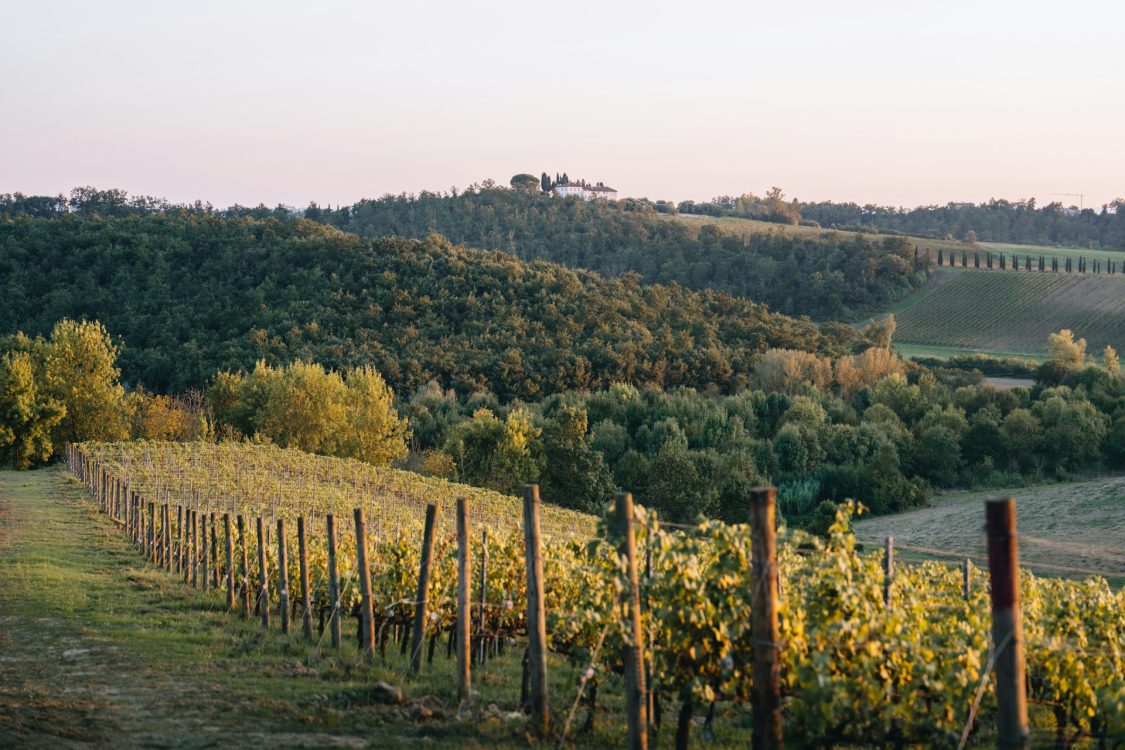
Before planning specific days, it helps to understand how the valley is organised. Estates tend to cluster in certain areas, with some closer to town and others stretching toward the surrounding mountains. Grouping nearby farms into the same day reduces travel time and preserves energy.

Key considerations when mapping the area include:

  • Distance between estates

  • Road conditions and accessibility

  • Proximity to accommodation

  • Scenic routes worth lingering on

This geographical awareness forms the foundation of a relaxed, efficient itinerary.

Day One: Settling In and Gentle Introductions

The first day should focus on easing into the experience rather than diving in at full intensity. Travel, check-in, and orientation already take energy, so tastings should be limited and close together.

A balanced first day might include:

  • One or two estates near town

  • Short tasting flights instead of extended pairings

  • A relaxed lunch rather than a formal dining experience

This approach helps visitors acclimate to the region while preserving enthusiasm for the days ahead.

Day Two: Exploring Flagship Estates at a Comfortable Pace

The second day is ideal for visiting more established or iconic wine farms. With no travel fatigue and a sense of the valley’s rhythm, visitors can dedicate time to longer tastings and estate walks.

To avoid rushing:

  • Limit visits to two or three estates

  • Allow time between tastings for rest or scenery

  • Schedule meals on or near estates to reduce travel

This day often becomes the highlight of the trip, offering depth without overload.

Day Three: Hidden Gems and Smaller Producers

After experiencing well-known names, many travellers enjoy shifting focus to smaller, lesser-known estates. These producers often provide more intimate tastings and personal interactions, which are best appreciated without a tight schedule.

Smaller estates tend to offer:

  • Informal tasting environments

  • Direct conversations with winemakers or owners

  • Unique varietals or experimental styles

  • Flexible pacing

This day adds contrast and texture to the overall itinerary.

Building in Time for Rest and Reflection

Multi-day wine travel is not only about tastings. Rest periods are essential for maintaining enjoyment and clarity. Time away from wine allows flavours and impressions to settle, improving overall appreciation.

Effective rest strategies include:

  • Late starts after full tasting days

  • Afternoon breaks at accommodation

  • Light activity such as walking or browsing local shops

These pauses prevent fatigue and make each tasting feel intentional rather than obligatory.

Balancing Wine with Food Experiences

Food plays a crucial role in pacing a wine-focused trip. Well-timed meals support tasting schedules and provide natural breaks in the day. Multi-day itineraries allow for a mix of dining styles rather than repeated heavy meals.

A balanced food plan may involve:

  • One fine dining experience across several days

  • Casual lunches or shared platters

  • Simple dinners after tasting-heavy afternoons

This variety keeps the experience enjoyable and sustainable.

Transport Planning Across Multiple Days

Transport decisions have a direct impact on how rushed or relaxed a trip feels. Multi-day itineraries benefit from consistent, predictable transport arrangements rather than daily improvisation.

Common transport approaches include:

  • Staying centrally to minimise daily travel

  • Using the same driver or shuttle service

  • Planning walking or cycling days where possible

Reducing logistical uncertainty frees up mental space to focus on the experience itself.

Allowing Flexibility Without Losing Structure

While structure is important, overly rigid schedules can undermine the benefits of a multi-day itinerary. Flexibility allows travellers to extend a favourite tasting, skip an underwhelming stop, or adapt to weather and mood.

A flexible plan often includes:

  • One open afternoon across the trip

  • Optional estate visits rather than fixed commitments

  • Space for spontaneous discoveries

This balance between planning and freedom keeps the journey enjoyable.

Making Purchases Without Pressure

One advantage of spreading tastings over several days is the opportunity to revisit wines mentally before buying. Visitors can compare impressions from different days and make more confident decisions.

Strategies for thoughtful purchasing include:

  • Taking notes after each tasting

  • Delaying major purchases until later in the trip

  • Returning to a favourite estate on a final day

This approach reduces impulse buying and enhances satisfaction.

Creating a Cohesive Wine Travel Experience

A multi-day itinerary is ultimately about cohesion rather than quantity. Each day builds on the last, creating a narrative that reflects the region’s diversity and rhythm. By allowing space between experiences, travellers gain a deeper understanding of the valley’s character.

When thoughtfully planned, Franschhoek wine tours unfold at a natural pace that respects both the wines and the people behind them. Instead of rushing to see everything, visitors leave with clearer memories, stronger connections, and a lasting appreciation for what makes the region exceptional.
Why Wholesale Caviar in South Africa Is a Must for Event Planners

Why Wholesale Caviar in South Africa Is a Must for Event Planners

As the need for premium components increases throughout South Africa’s high-end dining establishments, hotels, and cooking services, caviar stays among the most unique specials available. Known for its luxury and fine-tuned taste, this high-end food is no longer restricted to elite markets. Today, organizations of all sizes are looking for access to wholesale caviar in South Africa to please consumers who yearn for elegance in every bite.

High-quality caviar improves a meal’s appeal and adds to a track record for quality. Whether you’re plating signature meals or product packaging high end present hinders, your option of provider matters. Businesses that purchase wholesale caviar in South Africa advantage not just from bulk prices however likewise from constant accessibility and more comprehensive item range. In competitive markets, sourcing premium-grade caviar assists set your brand name apart.

Choosing a relied on supplier for wholesale caviar in South Africa enables you to simplify procurement without jeopardizing on taste, freshness, or traceability. From timeless Beluga to sustainable Ossetra and Sevruga alternatives, providers use a large spectrum of grades and origins. Restaurants, catering services, and food sellers can all benefit from this high-end item with trustworthy logistics and customized supply volumes.

Why Wholesale Caviar Makes Sense for Culinary Businesses

Purchasing caviar wholesale provides more than simply a much better cost—it provides long-lasting worth and reliability. Hospitality specialists understand how important it is to make sure item accessibility throughout peak seasons or unique occasions. By buying wholesale, chefs and occasion coordinators can preserve constant stock while likewise taking pleasure in versatile acquiring alternatives fit to their operations.

Moreover, wholesale gain access to opens a more varied brochure of caviar types. Suppliers usually bring imported specials from Europe and Asia, along with in your area produced ranges farmed right here in South Africa. This choice enables organizations to accommodate a more comprehensive audience, from perfectionist premiums to eco-conscious restaurants looking for sustainable options.

Top-tier caviar likewise has a brief life span when opened, so freshness is vital. By constructing a relationship with a dependable wholesale company, you get direct-from-source shipment and cold-chain logistics that assist maintain the fragile flavour profile of each bead. The result? An item that gets here in peak condition—prepared for instant usage or classy discussion.

Who Should Be Buying Wholesale Caviar?

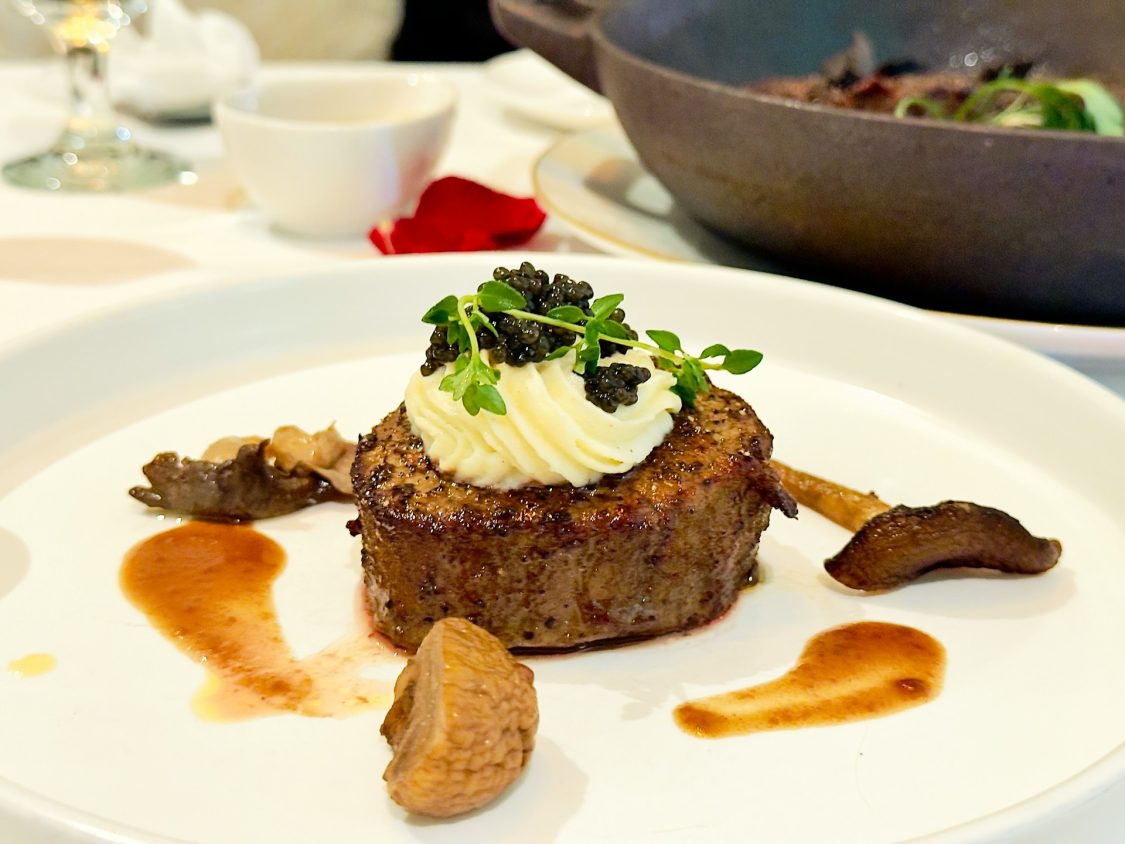
A large range of specialists in the food and hospitality markets stand to acquire from sourcing wholesale. For fine-dining facilities, caviar improves status and raises tasting menus. Whether spooned over blinis, layered into tartare, or served with cooled vodka, it includes apparent high-end.

See likewise  Discover the Unique Flavours of South Africa’s Wine Varietals

Private chefs and catering services likewise turn to wholesale supply to fulfill customer needs for unique components at wedding events, personal suppers, and business functions. Similarly, high-end grocers, delis, and white wine stores stock caviar to fulfill the growing need for premium products that customers can take pleasure in in the house. Even cooking schools are presenting caviar to trainees for training in high-end menu advancement.

How to Choose the Right Supplier

When sourcing wholesale caviar in South Africa, choosing a provider with stability is necessary. Look for partners who are transparent about sourcing practices, abide by HACCP food security requirements, and comprehend the logistics of disposable products.

Local alternatives are growing in appeal, with numerous aquaculture farms in South Africa using top quality, sustainable caviar. However, lots of organizations likewise depend on imported alternatives from standard manufacturers in Iran, Russia, and parts of Europe. A great provider will offer you access to both, together with clear grading details, storage standards, and shipping timelines.

Volume versatility is similarly essential. Whether you require little, regular deliveries or big, periodic shipments, the best provider ought to accommodate your particular scale. Nationwide cooled shipment ought to likewise be non-negotiable—guaranteeing your caviar preserves its quality from dispatch to shipment.

The Value of Consistent Quality

Ultimately, constant quality is what turns a newbie consumer into a devoted one. By sourcing wholesale caviar in South Africa through knowledgeable providers, you make sure that every tin or container shows your brand name’s commitment to quality. Whether you’re plating a signature meal, developing a high-end obstruct, or developing a cooking mentor module, consistency and flavour are whatever.

Consumers today are savvier than ever. They research study brand names, anticipate provenance, and want to pay more for high-end products that provide. That’s why keeping a stable supply of premium caviar—sourced through appropriate wholesale channels—can favorably affect your bottom line and raise your credibility within the cooking neighborhood.

Sourcing wholesale caviar in South Africa is a clever, tactical relocation for anybody in the cooking or retail area intending to use first-rate components. From improving premium plates to curating extravagant consumer experiences, caviar stays among the most renowned food products cash can purchase. With the best provider, your organization can provide beauty and flavour at scale—making every event one to keep in mind.

Exploring Your Options for Wholesale Caviar in South Africa

Exploring Your Options for Wholesale Caviar in South Africa

As the need for premium active ingredients increases throughout South Africa’s high-end dining establishments, hotels, and cooking services, caviar stays among the most unique specials available. Known for its luxury and improved taste, this high-end food is no longer restricted to elite markets. Today, services of all sizes are looking for access to wholesale caviar in South Africa to please consumers who yearn for elegance in every bite.

High-quality caviar improves a meal’s appeal and adds to a credibility for quality. Whether you’re plating signature meals or product packaging high end present hinders, your option of provider matters. Businesses that purchase wholesale caviar in South Africa advantage not just from bulk rates however likewise from constant schedule and more comprehensive item range. In competitive markets, sourcing premium-grade caviar assists set your brand name apart.

Choosing a relied on supplier for wholesale caviar in South Africa permits you to improve procurement without jeopardizing on taste, freshness, or traceability. From timeless Beluga to sustainable Ossetra and Sevruga choices, providers use a large spectrum of grades and origins. Restaurants, catering services, and food merchants can all make the most of this high-end item with reputable logistics and customized supply volumes.

Why Wholesale Caviar Makes Sense for Culinary Businesses

Purchasing caviar wholesale provides more than simply a much better rate—it uses long-lasting worth and reliability. Hospitality specialists understand how crucial it is to guarantee item schedule throughout peak seasons or unique occasions. By purchasing wholesale, chefs and occasion organizers can preserve consistent stock while likewise taking pleasure in versatile getting choices fit to their operations.

Moreover, wholesale gain access to opens a more varied brochure of caviar types. Suppliers normally bring imported specials from Europe and Asia, together with in your area produced ranges farmed right here in South Africa. This choice permits services to accommodate a more comprehensive audience, from perfectionist premiums to eco-conscious restaurants looking for sustainable options.

Top-tier caviar likewise has a brief life span as soon as opened, so freshness is critical. By constructing a relationship with a dependable wholesale service provider, you get direct-from-source shipment and cold-chain logistics that assist maintain the fragile flavour profile of each bead. The result? An item that gets here in peak condition—prepared for instant usage or stylish discussion.

Who Should Be Buying Wholesale Caviar?

A vast array of specialists in the food and hospitality markets stand to get from sourcing wholesale. For fine-dining facilities, caviar improves eminence and raises tasting menus. Whether spooned over blinis, layered into tartare, or served with cooled vodka, it includes apparent high-end.

Private chefs and catering services likewise turn to wholesale supply to fulfill customer needs for unique active ingredients at wedding events, personal suppers, and business functions. Similarly, high-end grocers, delis, and red wine shops stock caviar to fulfill the growing need for premium products that customers can take pleasure in in the house. Even cooking schools are presenting caviar to trainees for training in high-end menu advancement.

How to Choose the Right Supplier

When sourcing wholesale caviar in South Africa, choosing a provider with stability is necessary. Look for partners who are transparent about sourcing practices, comply with HACCP food security requirements, and comprehend the logistics of disposable items.

Local choices are growing in appeal, with a number of aquaculture farms in South Africa using premium, sustainable caviar. However, lots of services likewise count on imported choices from conventional manufacturers in Iran, Russia, and parts of Europe. A great provider will provide you access to both, in addition to clear grading details, storage standards, and shipping timelines.

Volume versatility is similarly crucial. Whether you require little, regular deliveries or big, periodic shipments, the best provider must accommodate your particular scale. Nationwide cooled shipment must likewise be non-negotiable—guaranteeing your caviar keeps its quality from dispatch to shipment.

The Value of Consistent Quality

Ultimately, constant quality is what turns a newbie consumer into a devoted one. By sourcing wholesale caviar in South Africa through knowledgeable providers, you guarantee that every tin or container shows your brand name’s commitment to quality. Whether you’re plating a signature meal, creating a high-end obstruct, or producing a cooking mentor module, consistency and flavour are whatever.

Consumers today are savvier than ever. They research study brand names, anticipate provenance, and want to pay more for high-end products that provide. That’s why preserving a stable supply of premium caviar—sourced through correct wholesale channels—can favorably affect your bottom line and raise your track record within the cooking neighborhood.

Sourcing wholesale caviar in South Africa is a wise, tactical relocation for anybody in the cooking or retail area intending to use first-rate active ingredients. From improving premium plates to curating extravagant consumer experiences, caviar stays among the most renowned food products cash can purchase. With the best provider, your service can provide beauty and flavour at scale—making every event one to keep in mind.

Comparing Kameeldoring Wood and Rooikrans Wood for the Perfect Braai

Comparing Kameeldoring Wood and Rooikrans Wood for the Perfect Braai

When it pertains to picking the very best wood for braai, 2 popular alternatives typically enter your mind: Kameeldoring wood and Rooikrans wood. Each kind of wood uses distinct qualities that can boost your braaing experience. This post will check out the distinctions in between Kameeldoring wood and Rooikrans wood, concentrating on elements such as burning qualities, taste, and accessibility. Whether you are an experienced braai lover or a beginner, comprehending these distinctions can assist you make an educated option for your next cookout.

Burning Characteristics: Kameeldoring Wood vs. Rooikrans Wood

One of the main factors to consider when picking wood for braai is how it burns. Kameeldoring wood is renowned for its thick and tough nature, which permits it to burn for a long period of time and produce extreme heat. This makes it an exceptional option for slow-cooking meats and preserving a constant temperature level over a prolonged duration. Additionally, Kameeldoring wood produces very little smoke and ash, making it a cleaner choice for braaing.

Rooikrans wood, on the other hand, burns rapidly and produces a strong, hot flame. While it might not last as long as Kameeldoring wood, its fast ignition and high heat output make it perfect for scorching meats and getting a braai began quickly. Rooikrans wood is likewise understood for producing an enjoyable fragrance, which can boost the general braaing experience.

Flavor and Aroma

The kind of wood you utilize can considerably affect the taste of your food. Kameeldoring wood imparts a subtle, smoky taste that matches a range of meats and veggies. Its moderate fragrance does not subdue the natural taste of the food, making it a flexible option for various braai meals. Many braai lovers value the well balanced taste profile that Kameeldoring wood supplies.

In contrast, Rooikrans wood is understood for its strong, unique fragrance that instills the food with a robust smoky taste. This can be especially appealing when braaing red meats, as the wood’s taste improves the richness of the meat. However, the extreme fragrance might not appropriate for more fragile meals, such as fish or poultry, where a milder wood like Kameeldoring may be chosen.

Availability and Cost

Availability is another essential element to think about when picking wood for braai. Kameeldoring wood is typically readily available in areas where the Camel Thorn tree is native, such as parts of Southern Africa. It is usually offered in smaller sized amounts due to its density and weight, which can make it more costly than other kinds of wood. However, the lasting burn time of Kameeldoring wood typically validates the greater expense.

Rooikrans wood, originated from the intrusive Acacia Cyclops tree, is more extensively readily available and typically less costly. In South Africa, Rooikrans is typically utilized as fireplace wood and for braaing due to its abundance and cost-effectiveness. Its quick development and intrusive nature suggest that it is easily offered wholesale, making it a useful option for regular braai sessions.

Environmental Impact

The ecological effect of your wood option is likewise worth thinking about. Kameeldoring wood is sourced from the Camel Thorn tree, which grows gradually and is thought about an important resource in its native areas. Sustainable gathering practices are important to guarantee the long-lasting accessibility of this wood. Using Kameeldoring wood properly can assist protect these trees and their communities.

Rooikrans wood, being intrusive, in fact benefits the environment when gathered. The elimination of Rooikrans trees assists bring back native plants and lowers the risk to regional communities. By picking Rooikrans wood, you are not just getting exceptional fireplace wood however likewise adding to ecological preservation efforts.

Alternatives to Consider: Blue Gum Wood

While Kameeldoring wood and Rooikrans wood are popular options, other alternatives like Blue Gum wood are likewise worth thinking about. Blue Gum wood, sourced from Eucalyptus trees, burns hot and quick, comparable to Rooikrans wood. It produces an enjoyable fragrance and an excellent quantity of heat, making it appropriate for both braai and fireplace usage. However, Blue Gum wood tends to produce more ash, which might need more regular cleansing.

In conclusion, both Kameeldoring wood and Rooikrans wood deal distinct benefits for braaing. Kameeldoring wood is perfect for those who choose a lasting burn and a subtle, smoky taste, while Rooikrans wood is best for fast braais and imparts a strong, unique taste. Additionally, thinking about ecological effect and accessibility can assist you make a more educated and accountable option.

By comprehending the qualities of each wood type, you can pick the very best wood for braai that fits your cooking design and choices. Whether you choose the long-lasting heat of Kameeldoring wood or the robust fragrance of Rooikrans wood, you’re sure to boost your braaing experience and take pleasure in tasty, tasty meals.

Mastering the Art of Culinary Alchemy: A Guide to Exceptional Copper Cookware Selection

Mastering the Art of Culinary Alchemy: A Guide to Exceptional Copper Cookware Selection

Embarking on a gastronomic journey is an art, and every cooking master comprehends the significance of having the right tools at their disposal. In this world of cooking area proficiency, the attraction of special copper pots and pans is unequaled. The dance of heat conductivity and visual beauty that copper gives the cooking phase is absolutely nothing except enchanting. However, as critical chefs and home cooks alike endeavor into the domain of top quality copper pots and pans, the concern develops: What makes a piece genuinely remarkable? In this expedition, we will decipher the requirements that specify quality in special copper pots and pans, with a specific concentrate on the progressively popular induction copper pan.

The Craftsmanship Behind Exclusive Copper Cookware

At the heart of any remarkable piece of copper pots and pans lies the workmanship that enters into its production. The careful artistry of proficient craftsmens forms the type and function of each piece, making sure that it goes beyond simple kitchenware and ends up being a cooking work of art. When looking for special copper pots and pans, take notice of the workmanship, evidenced by the accuracy of joints, the harmony of building, and the total attention to information. This not just adds to the pots and pans’s sturdiness however likewise improves its visual appeal.

Gauging the Thickness: A Matter of Performance

The density of copper in pots and pans plays an essential function in identifying its efficiency. Generally determined in gauge, the density affects the circulation of heat throughout the cooking surface area. In the mission for special copper pots and pans, go with pieces with a significant density, generally varying from 2.5mm to 3mm. This makes sure even heat circulation, avoiding locations that may jeopardize the quality of your cooking productions. Thicker copper likewise contributes to the pots and pans’s durability, making it a financial investment that stands the test of time.

The Inner Lining: A Symphony of Metals

While copper boasts remarkable heat conductivity, it might respond with specific foods, causing unfavorable tastes. To reduce this, top quality copper pots and pans typically includes inner linings made from alternative products. Stainless steel and tin are popular options, providing a non-reactive surface area that maintains the tastes of your meals. When picking special copper pots and pans, think about the inner lining product, guaranteeing it lines up with your cooking choices and requirements.

The Handle: Ergonomics and Aesthetic Harmony

The manage of a copper pan is not simply a practical part however a style aspect that adds to both looks and use. Opt for pots and pans with manages crafted from products that offer heat resistance and ergonomic convenience. Brass or stainless-steel manages, firmly connected with rivets, improve the sturdiness and heat-resistant homes of the pots and pans. The manage must not just match the total style however likewise use a comfy grip, making sure a smooth cooking experience.

Induction Compatibility: A Contemporary Culinary Essential

As induction cooking gains prominence in contemporary cooking areas, the compatibility of an induction copper pan with induction stovetops ends up being critical. Ensure that your special copper pots and pans consists of an induction-compatible base, typically layered with ferrous products like stainless-steel or aluminum. This not just broadens the adaptability of your pots and pans however likewise shows a thoughtful style that deals with varied cooking choices and technological developments.

In the world of cooking proficiency, the right tools are the quiet orchestrators of gastronomic luster. Exclusive copper cookware, with its ageless beauty and unequaled heat conductivity, stands as a testimony to the marital relationship of type and function. As you start your mission for the ideal piece, think about the workmanship, density, inner lining, manage style, and induction compatibility. These elements jointly add to the quality of your picked copper pots and pans, changing your cooking area into a phase for cooking artistry.

Beyond Melting: Decoding the Magic of Chocolate Temperament

Beyond Melting: Decoding the Magic of Chocolate Temperament

In the delicious world where cocoa alchemy satisfies cooking workmanship, the symphony of chocolate tempering unfolds as an enchanting ballet, assisted by the balanced hum of specialized equipment — the charming chocolate tempering devices. These innovative gadgets, appropriately explained by the chocolate tempering devices and chocolate devices, stand as the unrecognized heroes behind the smooth change of raw chocolate into confectionery quality. In the alchemical pursuit of attaining that remarkable shiny surface, the whispering equipments of chocolate tempering devices end up being the masters, managing the accuracy needed to coax the cocoa crystals into unified positioning. As we look into the wonderful world of chocolate crafting, the keywords resound through the silky folds of molten chocolate, encapsulating not simply the mechanical radiance of these tempering devices however the really essence of the transformative journey. From the liquid appeal of molten cocoa to the skillfully crafted last production, the dance of chocolate machines is a fascinating tale of artistry, science, and the delicious symphony they develop together, each whirr and temperature level modulation adding to the production of chocolate work of arts that thrill both the eyes and the palate. Join us on this charming odyssey as we decipher the tricks and subtleties behind the alchemical procedure of chocolate tempering, where the heart of the cocoa bean satisfies the accuracy of equipment in a cooking dance that goes beyond simple extravagance, raising chocolate to an art kind.

Chocolate Tempering Machines: The Maestros of Consistency

At the heart of chocolate tempering lies the mechanical virtuosity of chocolate tempering devices. The term “chocolate tempering machines” embodies the accuracy and consistency these marvels give the tempering procedure. These devices are developed to manage the chocolate’s temperature level variations, guaranteeing that the crystalline structure lines up completely, leading to a smooth, shiny surface. The balanced hum of these devices resonates through the chocolatier’s workshop, representing not simply a vital tool however a master managing the symphony of chocolate change.

The Alchemy of Crystallization: Understanding Chocolate’s States

To understand the magic of chocolate tempering, one should start a journey into the alchemy of formation. Raw chocolate includes various kinds of crystals, and the secret is to motivate the development of the most preferable one—Type V. The term “chocolate machines” includes a spectrum of devices developed to control chocolate’s temperature level through unique stages, guaranteeing the exact formation needed for that signature breeze and shine. From the molten appeal of Stage I to the steady and shiny excellence of Stage V, the journey through formation is a fragile dance assisted by the careful eye of chocolatiers and the vital help of chocolate tempering devices.

Tempering Techniques: Artistry in Precision

Beyond the world of devices, the term “chocolate machines” encompasses consist of the human touch— the skill and ability of chocolatiers who master the artistry of accuracy. Temperature control is critical, with the cautious adjustment of heat and cooling cycles being main to the tempering procedure. Chocolatiers use methods such as seeding, tabling, and even the modern-day marvel of machine-assisted tempering to accomplish the preferred crystalline structure. Each strategy, assisted by the know-how of the chocolatier and the help of chocolate tempering devices, adds to the last sensory symphony experienced with every indulgent bite.

The Visual Symphony: Achieving the Perfect Finish

In the world of chocolate, look is as vital as taste, and attaining the ideal surface needs an unified cooperation in between chocolatier and maker. The enchanting gloss that embellishes a well-tempered chocolate production is a testimony to the cautious balance struck throughout the tempering procedure. The term “chocolate machines” includes not just the tempering devices themselves however likewise the enrobing devices and molding devices that add to the remarkable discussion of chocolates. The marital relationship of proficient workmanship and maker accuracy leads to aesthetically spectacular confections that are as wonderful to the eyes as they are to the taste buds.

The Importance of Uniformity: Texture and Mouthfeel

The significance of chocolate tempering extends beyond aesthetic appeals to the really texture and mouthfeel of the chocolate. The term “chocolate tempering machines” encapsulates the pursuit of harmony, where the regulated formation guarantees that the chocolate has a constant texture—smooth, with a gratifying breeze. Whether crafting fragile truffles or intricate chocolate sculptures, the harmony accomplished through tempering is the trademark of quality and workmanship, raising the chocolate experience from a simple reward to a sensorial journey.

Conclusion:

In the charming world of chocolate crafting, the keywords “chocolate tempering machines” and “chocolate machines” are the assisting lights that brighten the course from raw cocoa to elegant confections. The fragile dance of temperature level control, formation, and visual discussion changes chocolate from a simple active ingredient to a cooking work of art. The symphony of chocolate tempering, carried out by both human hands and accuracy equipment, is an event of workmanship and technical skill. As we decipher the tricks behind chocolate tempering, it ends up being obvious that the real magic depend on the marital relationship of custom and innovation, where chocolatiers and chocolate tempering devices team up to develop the sweet symphony that entices our palate and mesmerizes our senses.