
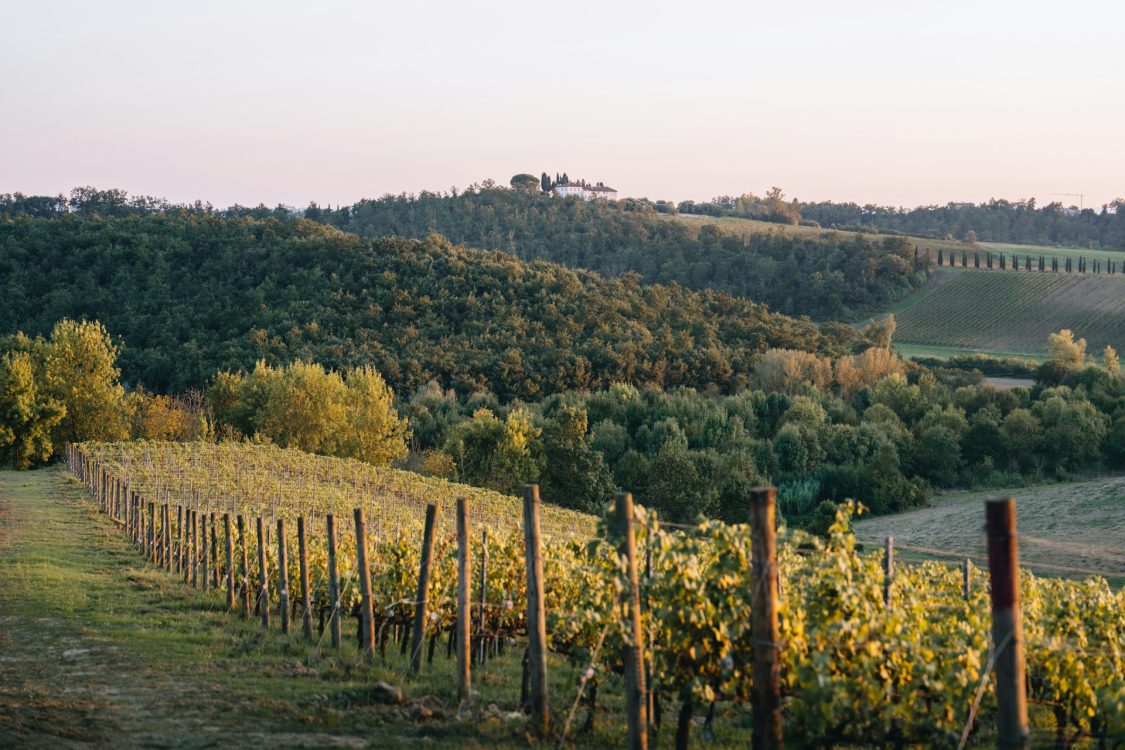
Multi-Day Wine Tour Itineraries: How to See the Best Estates Without Rushing

Multi-Day Wine Tour Itineraries: How to See the Best Estates Without Rushing

Exploring a wine region properly takes time, especially when the goal is to experience more than just a checklist of famous estates. Rushing from tasting to tasting often leads to palate fatigue, missed details, and a sense that the journey is happening too fast to appreciate. A multi-day approach allows travellers to slow down, absorb the landscape, and build a deeper connection with each place they visit.

For many visitors planning Franschhoek wine tours, the challenge is knowing how to structure several days without overloading the itinerary. The valley may be compact, but its diversity of producers, styles, and settings means that trying to see everything in one or two days rarely does the region justice. Spreading experiences across multiple days creates balance and variety.

A well-planned multi-day itinerary transforms Franschhoek wine tours into a layered experience rather than a whirlwind. By grouping estates thoughtfully and allowing space for rest, food, and exploration, travellers can enjoy the best of the valley without feeling hurried or overwhelmed.

Why a Multi-Day Wine Itinerary Makes Sense

Wine tasting is as much about context as it is about flavour. Visiting too many estates in a single day can dull the senses and blur individual experiences together. A multi-day itinerary avoids this by giving each tasting room, vineyard, and winemaker the attention it deserves.

Spacing tastings across several days also improves decision-making. Visitors are more likely to remember wines they enjoyed, engage in meaningful conversations, and avoid the pressure to rush purchases. The result is a calmer, more memorable journey through the valley.

Understanding the Layout of the Franschhoek Valley

Before planning specific days, it helps to understand how the valley is organised. Estates tend to cluster in certain areas, with some closer to town and others stretching toward the surrounding mountains. Grouping nearby farms into the same day reduces travel time and preserves energy.

Key considerations when mapping the area include:

  • Distance between estates

  • Road conditions and accessibility

  • Proximity to accommodation

  • Scenic routes worth lingering on

This geographical awareness forms the foundation of a relaxed, efficient itinerary.

Day One: Settling In and Gentle Introductions

The first day should focus on easing into the experience rather than diving in at full intensity. Travel, check-in, and orientation already take energy, so tastings should be limited and close together.

A balanced first day might include:

  • One or two estates near town

  • Short tasting flights instead of extended pairings

  • A relaxed lunch rather than a formal dining experience

This approach helps visitors acclimate to the region while preserving enthusiasm for the days ahead.

Day Two: Exploring Flagship Estates at a Comfortable Pace

The second day is ideal for visiting more established or iconic wine farms. With no travel fatigue and a sense of the valley’s rhythm, visitors can dedicate time to longer tastings and estate walks.

To avoid rushing:

  • Limit visits to two or three estates

  • Allow time between tastings for rest or scenery

  • Schedule meals on or near estates to reduce travel

This day often becomes the highlight of the trip, offering depth without overload.

Day Three: Hidden Gems and Smaller Producers

After experiencing well-known names, many travellers enjoy shifting focus to smaller, lesser-known estates. These producers often provide more intimate tastings and personal interactions, which are best appreciated without a tight schedule.

Smaller estates tend to offer:

  • Informal tasting environments

  • Direct conversations with winemakers or owners

  • Unique varietals or experimental styles

  • Flexible pacing

This day adds contrast and texture to the overall itinerary.

Building in Time for Rest and Reflection

Multi-day wine travel is not only about tastings. Rest periods are essential for maintaining enjoyment and clarity. Time away from wine allows flavours and impressions to settle, improving overall appreciation.

Effective rest strategies include:

  • Late starts after full tasting days

  • Afternoon breaks at accommodation

  • Light activity such as walking or browsing local shops

These pauses prevent fatigue and make each tasting feel intentional rather than obligatory.

Balancing Wine with Food Experiences

Food plays a crucial role in pacing a wine-focused trip. Well-timed meals support tasting schedules and provide natural breaks in the day. Multi-day itineraries allow for a mix of dining styles rather than repeated heavy meals.

A balanced food plan may involve:

  • One fine dining experience across several days

  • Casual lunches or shared platters

  • Simple dinners after tasting-heavy afternoons

This variety keeps the experience enjoyable and sustainable.

Transport Planning Across Multiple Days

Transport decisions have a direct impact on how rushed or relaxed a trip feels. Multi-day itineraries benefit from consistent, predictable transport arrangements rather than daily improvisation.

Common transport approaches include:

  • Staying centrally to minimise daily travel

  • Using the same driver or shuttle service

  • Planning walking or cycling days where possible

Reducing logistical uncertainty frees up mental space to focus on the experience itself.

Allowing Flexibility Without Losing Structure

While structure is important, overly rigid schedules can undermine the benefits of a multi-day itinerary. Flexibility allows travellers to extend a favourite tasting, skip an underwhelming stop, or adapt to weather and mood.

A flexible plan often includes:

  • One open afternoon across the trip

  • Optional estate visits rather than fixed commitments

  • Space for spontaneous discoveries

This balance between planning and freedom keeps the journey enjoyable.

Making Purchases Without Pressure

One advantage of spreading tastings over several days is the opportunity to revisit wines mentally before buying. Visitors can compare impressions from different days and make more confident decisions.

Strategies for thoughtful purchasing include:

  • Taking notes after each tasting

  • Delaying major purchases until later in the trip

  • Returning to a favourite estate on a final day

This approach reduces impulse buying and enhances satisfaction.

Creating a Cohesive Wine Travel Experience

A multi-day itinerary is ultimately about cohesion rather than quantity. Each day builds on the last, creating a narrative that reflects the region’s diversity and rhythm. By allowing space between experiences, travellers gain a deeper understanding of the valley’s character.

When thoughtfully planned, Franschhoek wine tours unfold at a natural pace that respects both the wines and the people behind them. Instead of rushing to see everything, visitors leave with clearer memories, stronger connections, and a lasting appreciation for what makes the region exceptional.
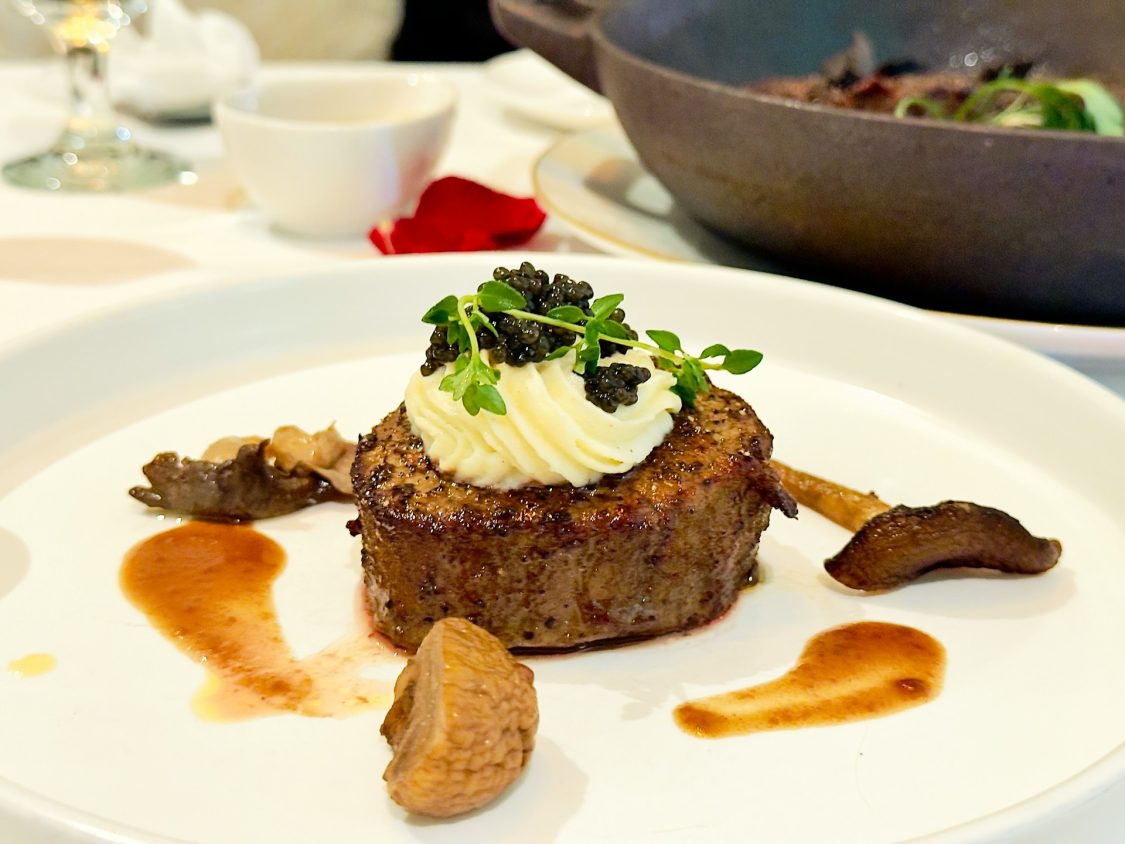
Why Wholesale Caviar in South Africa Is a Must for Event Planners

Why Wholesale Caviar in South Africa Is a Must for Event Planners

As the need for premium components increases throughout South Africa’s high-end dining establishments, hotels, and cooking services, caviar stays among the most unique specials available. Known for its luxury and fine-tuned taste, this high-end food is no longer restricted to elite markets. Today, organizations of all sizes are looking for access to wholesale caviar in South Africa to please consumers who yearn for elegance in every bite.

High-quality caviar improves a meal’s appeal and adds to a track record for quality. Whether you’re plating signature meals or product packaging high end present hinders, your option of provider matters. Businesses that purchase wholesale caviar in South Africa advantage not just from bulk prices however likewise from constant accessibility and more comprehensive item range. In competitive markets, sourcing premium-grade caviar assists set your brand name apart.

Choosing a relied on supplier for wholesale caviar in South Africa enables you to simplify procurement without jeopardizing on taste, freshness, or traceability. From timeless Beluga to sustainable Ossetra and Sevruga alternatives, providers use a large spectrum of grades and origins. Restaurants, catering services, and food sellers can all benefit from this high-end item with trustworthy logistics and customized supply volumes.

Why Wholesale Caviar Makes Sense for Culinary Businesses

Purchasing caviar wholesale provides more than simply a much better cost—it provides long-lasting worth and reliability. Hospitality specialists understand how important it is to make sure item accessibility throughout peak seasons or unique occasions. By buying wholesale, chefs and occasion coordinators can preserve constant stock while likewise taking pleasure in versatile acquiring alternatives fit to their operations.

Moreover, wholesale gain access to opens a more varied brochure of caviar types. Suppliers usually bring imported specials from Europe and Asia, along with in your area produced ranges farmed right here in South Africa. This choice enables organizations to accommodate a more comprehensive audience, from perfectionist premiums to eco-conscious restaurants looking for sustainable options.

Top-tier caviar likewise has a brief life span when opened, so freshness is vital. By constructing a relationship with a dependable wholesale company, you get direct-from-source shipment and cold-chain logistics that assist maintain the fragile flavour profile of each bead. The result? An item that gets here in peak condition—prepared for instant usage or classy discussion.

Who Should Be Buying Wholesale Caviar?

A large range of specialists in the food and hospitality markets stand to acquire from sourcing wholesale. For fine-dining facilities, caviar improves status and raises tasting menus. Whether spooned over blinis, layered into tartare, or served with cooled vodka, it includes apparent high-end.

See likewise  Discover the Unique Flavours of South Africa’s Wine Varietals

Private chefs and catering services likewise turn to wholesale supply to fulfill customer needs for unique components at wedding events, personal suppers, and business functions. Similarly, high-end grocers, delis, and white wine stores stock caviar to fulfill the growing need for premium products that customers can take pleasure in in the house. Even cooking schools are presenting caviar to trainees for training in high-end menu advancement.

How to Choose the Right Supplier

When sourcing wholesale caviar in South Africa, choosing a provider with stability is necessary. Look for partners who are transparent about sourcing practices, abide by HACCP food security requirements, and comprehend the logistics of disposable products.

Local alternatives are growing in appeal, with numerous aquaculture farms in South Africa using top quality, sustainable caviar. However, lots of organizations likewise depend on imported alternatives from standard manufacturers in Iran, Russia, and parts of Europe. A great provider will offer you access to both, together with clear grading details, storage standards, and shipping timelines.

Volume versatility is similarly essential. Whether you require little, regular deliveries or big, periodic shipments, the best provider ought to accommodate your particular scale. Nationwide cooled shipment ought to likewise be non-negotiable—guaranteeing your caviar preserves its quality from dispatch to shipment.

The Value of Consistent Quality

Ultimately, constant quality is what turns a newbie consumer into a devoted one. By sourcing wholesale caviar in South Africa through knowledgeable providers, you make sure that every tin or container shows your brand name’s commitment to quality. Whether you’re plating a signature meal, developing a high-end obstruct, or developing a cooking mentor module, consistency and flavour are whatever.

Consumers today are savvier than ever. They research study brand names, anticipate provenance, and want to pay more for high-end products that provide. That’s why keeping a stable supply of premium caviar—sourced through appropriate wholesale channels—can favorably affect your bottom line and raise your credibility within the cooking neighborhood.

Sourcing wholesale caviar in South Africa is a clever, tactical relocation for anybody in the cooking or retail area intending to use first-rate components. From improving premium plates to curating extravagant consumer experiences, caviar stays among the most renowned food products cash can purchase. With the best provider, your organization can provide beauty and flavour at scale—making every event one to keep in mind.

Comparing Kameeldoring Wood and Rooikrans Wood for the Perfect Braai

Comparing Kameeldoring Wood and Rooikrans Wood for the Perfect Braai

When it pertains to picking the very best wood for braai, 2 popular alternatives typically enter your mind: Kameeldoring wood and Rooikrans wood. Each kind of wood uses distinct qualities that can boost your braaing experience. This post will check out the distinctions in between Kameeldoring wood and Rooikrans wood, concentrating on elements such as burning qualities, taste, and accessibility. Whether you are an experienced braai lover or a beginner, comprehending these distinctions can assist you make an educated option for your next cookout.

Burning Characteristics: Kameeldoring Wood vs. Rooikrans Wood

One of the main factors to consider when picking wood for braai is how it burns. Kameeldoring wood is renowned for its thick and tough nature, which permits it to burn for a long period of time and produce extreme heat. This makes it an exceptional option for slow-cooking meats and preserving a constant temperature level over a prolonged duration. Additionally, Kameeldoring wood produces very little smoke and ash, making it a cleaner choice for braaing.

Rooikrans wood, on the other hand, burns rapidly and produces a strong, hot flame. While it might not last as long as Kameeldoring wood, its fast ignition and high heat output make it perfect for scorching meats and getting a braai began quickly. Rooikrans wood is likewise understood for producing an enjoyable fragrance, which can boost the general braaing experience.

Flavor and Aroma

The kind of wood you utilize can considerably affect the taste of your food. Kameeldoring wood imparts a subtle, smoky taste that matches a range of meats and veggies. Its moderate fragrance does not subdue the natural taste of the food, making it a flexible option for various braai meals. Many braai lovers value the well balanced taste profile that Kameeldoring wood supplies.

In contrast, Rooikrans wood is understood for its strong, unique fragrance that instills the food with a robust smoky taste. This can be especially appealing when braaing red meats, as the wood’s taste improves the richness of the meat. However, the extreme fragrance might not appropriate for more fragile meals, such as fish or poultry, where a milder wood like Kameeldoring may be chosen.

Availability and Cost

Availability is another essential element to think about when picking wood for braai. Kameeldoring wood is typically readily available in areas where the Camel Thorn tree is native, such as parts of Southern Africa. It is usually offered in smaller sized amounts due to its density and weight, which can make it more costly than other kinds of wood. However, the lasting burn time of Kameeldoring wood typically validates the greater expense.

Rooikrans wood, originated from the intrusive Acacia Cyclops tree, is more extensively readily available and typically less costly. In South Africa, Rooikrans is typically utilized as fireplace wood and for braaing due to its abundance and cost-effectiveness. Its quick development and intrusive nature suggest that it is easily offered wholesale, making it a useful option for regular braai sessions.

Environmental Impact

The ecological effect of your wood option is likewise worth thinking about. Kameeldoring wood is sourced from the Camel Thorn tree, which grows gradually and is thought about an important resource in its native areas. Sustainable gathering practices are important to guarantee the long-lasting accessibility of this wood. Using Kameeldoring wood properly can assist protect these trees and their communities.

Rooikrans wood, being intrusive, in fact benefits the environment when gathered. The elimination of Rooikrans trees assists bring back native plants and lowers the risk to regional communities. By picking Rooikrans wood, you are not just getting exceptional fireplace wood however likewise adding to ecological preservation efforts.

Alternatives to Consider: Blue Gum Wood

While Kameeldoring wood and Rooikrans wood are popular options, other alternatives like Blue Gum wood are likewise worth thinking about. Blue Gum wood, sourced from Eucalyptus trees, burns hot and quick, comparable to Rooikrans wood. It produces an enjoyable fragrance and an excellent quantity of heat, making it appropriate for both braai and fireplace usage. However, Blue Gum wood tends to produce more ash, which might need more regular cleansing.

In conclusion, both Kameeldoring wood and Rooikrans wood deal distinct benefits for braaing. Kameeldoring wood is perfect for those who choose a lasting burn and a subtle, smoky taste, while Rooikrans wood is best for fast braais and imparts a strong, unique taste. Additionally, thinking about ecological effect and accessibility can assist you make a more educated and accountable option.

By comprehending the qualities of each wood type, you can pick the very best wood for braai that fits your cooking design and choices. Whether you choose the long-lasting heat of Kameeldoring wood or the robust fragrance of Rooikrans wood, you’re sure to boost your braaing experience and take pleasure in tasty, tasty meals.

Eco-Conscious Grilling: The Case for Namibian Hardwood Firewood

Eco-Conscious Grilling: The Case for Namibian Hardwood Firewood

Braaing, a precious South African custom, is not practically cooking food; it’s a cultural phenomenon that brings family and friends together. However, the ecological effect of sourcing fire wood cannot be disregarded. As sustainability ends up being significantly essential, checking out environment-friendly fire wood alternatives like Namibian wood becomes an essential element of accountable braaing practices.

Understanding the Need for Sustainability

With logging and environment loss presenting considerable hazards to environments worldwide, it’s important to embrace sustainable practices, even in relatively ordinary activities like braaing. Traditional fire wood sources, such as native trees, are typically overexploited, causing eco-friendly imbalances and biodiversity loss. By moving towards sustainable options like Namibian wood, we can alleviate the ecological effect while enjoying our valued braai customs guilt-free.

The Appeal of Namibian Hardwood

Namibian wood, renowned for its remarkable quality and resilience, has actually become a favored option for critical braai lovers. Harvested from properly handled forests in Namibia, this wood types provides numerous benefits. Firstly, its thick and slow-burning nature makes sure a constant and lasting flame, ideal for prolonged braai sessions. Secondly, Namibian wood’s high heat output enables exact temperature level control, necessary for attaining the ideal sear on meats and imparting that apparent smoky taste.

Promoting Sustainable Forestry Practices

One of the crucial advantages of selecting Namibian wood for braaing is its sustainability qualifications. Unlike indiscriminate logging practices that ravage forests, Namibian wood is sourced from well-managed forests where rigorous harvesting policies are implemented. Sustainable forestry practices, such as selective harvesting and reforestation efforts, make sure the long-lasting health and practicality of forest environments. By supporting properly handled forests, customers add to preservation efforts while delighting in the exceptional efficiency of Namibian wood for their braais.

Reducing Carbon Footprint

Another engaging factor to choose Namibian wood is its lower carbon footprint compared to alternative fire wood sources. As a slow-growing wood types, Namibian wood shops carbon for prolonged durations, reducing the release of greenhouse gases into the environment. Furthermore, sustainable forestry practices decrease carbon emissions related to logging and transport, additional improving the ecological advantages of selecting Namibian wood for braaing.

Ensuring Accessibility and Affordability

While sustainability is critical, guaranteeing availability and cost of sustainable fire wood alternatives is similarly essential. Fortunately, Namibian hardwood stays easily offered in South Africa, thanks to developed supply chains and circulation networks. Additionally, improvements in sustainable forestry management and processing innovations have actually assisted enhance production procedures, making Namibian wood a cost-efficient option for braaing lovers throughout the nation.

In conclusion, checking out sustainable fire wood alternatives like Namibian wood is necessary for promoting accountable braaing practices in South Africa. By focusing on sustainability, customers can delight in the time-honored custom of braaing without jeopardizing the health of our world. Namibian wood’s remarkable quality, ecological advantages, and availability make it an engaging option for those looking for to improve their braai experience while decreasing their eco-friendly footprint.