
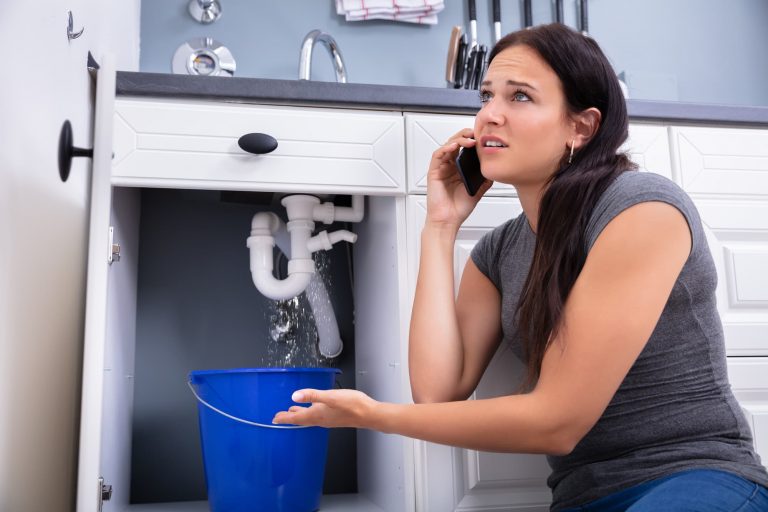
Water damage is one of the most financially disruptive issues a homeowner can face, especially when it develops unnoticed over time. In cities with older infrastructure and variable weather patterns, such as Cape Town, the risks are even higher. Small leaks can escalate quickly, affecting structural integrity, electrical systems, and even indoor air quality.
The financial burden often extends far beyond simple repairs. Homeowners may find themselves dealing with insurance claims, temporary relocation costs, and long-term property devaluation. Understanding these risks early is essential for reducing both damage and expense.
One of the most overlooked aspects of prevention is early intervention. Services like leak detection in Cape Town specialists provide can significantly reduce long-term costs by identifying hidden issues before they become major structural problems.
Understanding water damage costs in Cape Town homes
Water damage costs in Cape Town vary widely depending on the severity, duration, and location of the leak or flooding. A minor pipe leak under a sink may cost relatively little to repair, while hidden leaks behind walls or under foundations can escalate into expensive structural remediation.
In many cases, the visible damage is only a fraction of the true cost. Once moisture spreads into drywall, flooring, or electrical systems, restoration becomes significantly more complex. This is why early detection is critical.
Homeowners also need to consider indirect costs such as mould remediation, replacement of furniture, and temporary accommodation. These hidden expenses often exceed the cost of the initial repair itself.
Insurance can help, but policies often have exclusions or excess fees that leave homeowners paying out of pocket. That makes prevention and early diagnosis even more important.
What drives the cost of water damage repairs
Several key factors determine how expensive water damage restoration will be:
- The source of the water (clean water vs contaminated water)
- The time taken before the issue is detected
- The materials affected (wood, plaster, concrete, electrical systems)
- The extent of structural damage
- Labour and emergency service requirements
Each of these elements can significantly increase the total repair bill. For example, water that remains undetected for weeks can lead to mould growth, which requires specialised treatment and containment procedures.
In coastal cities like Cape Town, humidity levels can worsen moisture-related issues, allowing damage to spread faster than in drier regions.
Another major cost driver is delayed response. Even a small leak can become a major renovation project if left unchecked. This is where professional inspection services play a vital role in controlling long-term expenses.
Common sources of water damage in homes
Water damage rarely occurs without warning signs. However, many homeowners miss early indicators such as damp spots, musty smells, or fluctuating water bills. The most common sources include:
- Burst or leaking pipes inside walls or ceilings
- Faulty plumbing fixtures such as taps and toilets
- Roof leaks caused by damaged tiles or waterproofing failure
- Blocked gutters leading to overflow during heavy rain
- Appliance failures, such as washing machines or geysers
- Groundwater seepage in poorly waterproofed foundations
Understanding these sources helps homeowners act before the damage spreads. Even small plumbing issues can escalate into large-scale repairs if ignored.
Routine inspections and preventative maintenance are essential, especially in older properties where pipe corrosion is more common. Many homeowners only realise the extent of the issue after visible damage appears, by which point restoration costs have already increased significantly.
How much homeowners typically pay for repairs
Repair costs can range from a few thousand rand to tens of thousands depending on severity. Minor repairs, such as fixing a visible pipe leak, may be relatively affordable. However, once walls, flooring, or ceilings are affected, costs increase sharply due to demolition and reconstruction work.
In severe cases involving structural damage or mould remediation, expenses can escalate further. These situations often require specialist contractors, drying equipment, and environmental safety measures.
This is why early detection is so important. A proactive inspection can prevent small issues from becoming major financial setbacks. Many professionals in leak detection Cape Town services emphasise that identifying leaks early can reduce total repair costs by more than half in many cases.
Insurance claims may cover part of the expense, but homeowners should not assume full coverage. Excess fees, claim limits, and exclusions often apply, particularly if negligence or delayed reporting is involved.
How to reduce risk and prevent costly damage
Preventing water damage requires a combination of awareness, maintenance, and timely professional inspections. Homeowners who take proactive steps significantly reduce their long-term repair costs and protect property value.
Regular checks are essential, especially in areas prone to heavy rainfall or ageing infrastructure. Plumbing systems should be inspected periodically, and any signs of moisture should be investigated immediately.
Early intervention is especially important in hidden systems such as wall cavities, underground piping, and roof structures. These areas often conceal problems until significant damage has already occurred.
In addition to professional assessments, homeowners can reduce risk by adopting consistent maintenance habits. Even small preventative actions can make a substantial difference over time.
Key preventative measures include:
- Monitoring water bills for unusual increases
- Inspecting ceilings and walls for damp patches
- Ensuring gutters and drainage systems remain clear
- Servicing geysers and plumbing systems regularly
- Addressing small leaks immediately instead of delaying repairs
- Keeping an eye on water pressure fluctuations in the home
While these steps are simple, they are highly effective in reducing long-term risk. When combined with periodic professional inspections, they create a strong defence against costly water-related damage.
Ultimately, water damage is not just a maintenance issue but a financial risk. Homeowners who respond early and prioritise prevention are far less likely to face large-scale restoration costs or insurance complications.